400 Million Strong: World, Meet BFRBs — The Most Misunderstood Mental Health Struggle
An estimated 5% of global population is affected by Body Focused Repetitive Behaviors. Most remain invisible to mental health systems.

I was a hair puller for 22 years. A skin picker for over 25. It’s not a typo. It’s my life.
For most of that time, I lived in silence — because I didn’t know how else to survive the shame and the self-imposed stigma. I know the stats. I’ve lived the reality. I quit jobs. I ended relationships. I moved countries. And I’ve been to every rock bottom.
The Invisible Epidemic
5% of the global population is estimated to struggle with BFRBs at some point in their lives (that’s pre-pandemic data, i.e. vastly underestimated)
That translates to approximately 400 million people worldwide (based on a global population of ~8 billion).
In the United States alone, it’s estimated that at least 15 million people experience BFRBs.
Real Numbers Are Almost Certainly Higher
Many people don’t realize their behaviors have a name or are part of a diagnosable condition. (I didn’t for years.)
BFRBs are often misclassified as OCD, anxiety, self harm or body dysmorphia.
Shame and isolation often prevent individuals from seeking help or disclosing symptoms — especially for skin picking and hair pulling, which are more visible and socially stigmatized.
Tricho-what…?
Body-Focused Repetitive Behaviors (BFRBs) like trichotillomania (hair pulling), dermatillomania (skin picking or excoriation disorder), onychophagia (nail biting) are among the most misunderstood, underreported, and underestimated mental health conditions on the planet.
They typically begin in puberty and are heartbreakingly common, affecting at least 1 in 20 people — that’s one in every classroom (!) — yet barely whispered about in public.
Most go undiagnosed. As awareness grows, experts believe these numbers will continue to rise — not because more people are developing BFRBs (which they are), but because more are finally being seen.
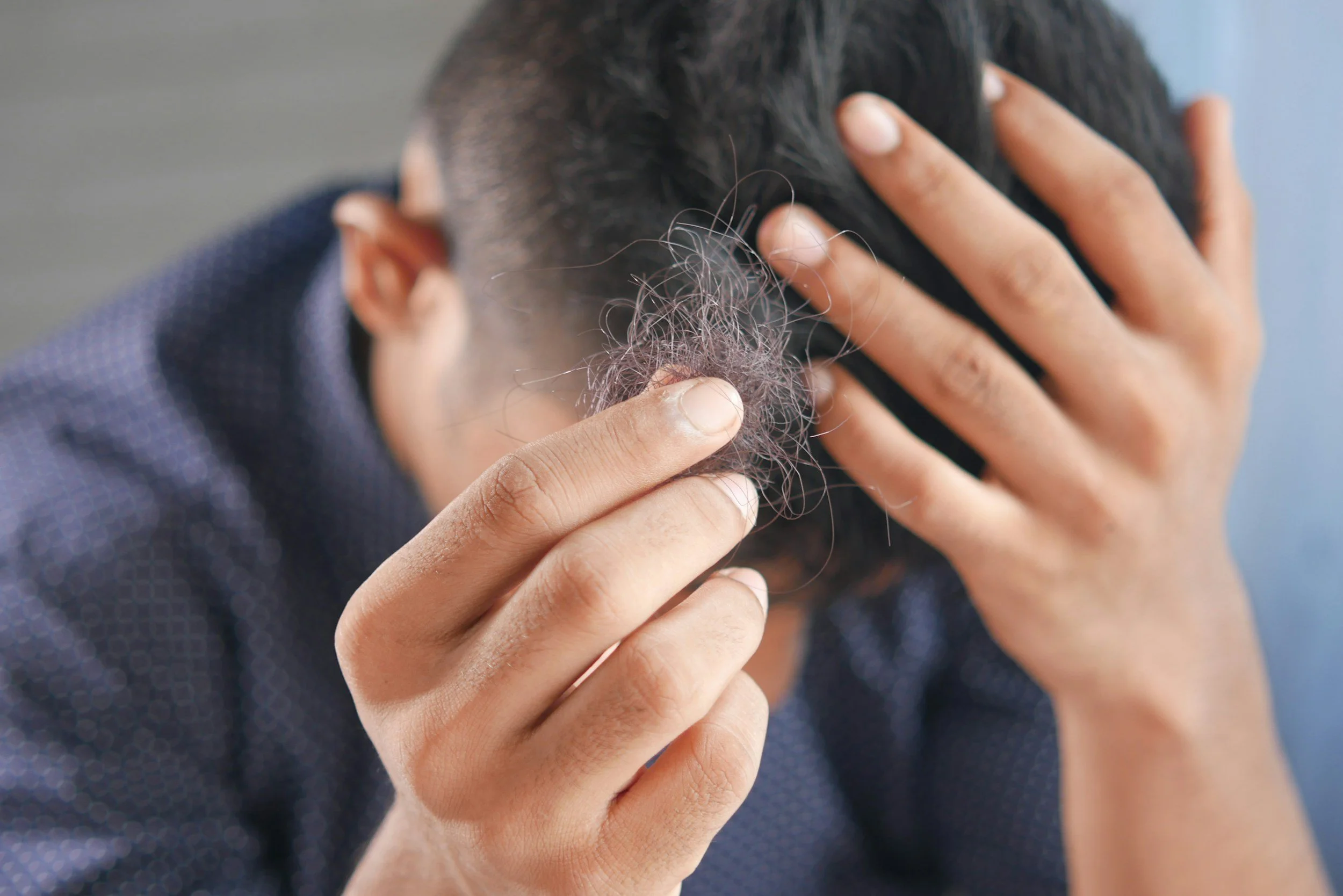
Why BFRBs Are So Difficult to Treat — And Easy to Miss
What makes BFRBs so painful is not just the act itself, but the hidden war waged behind closed doors. This condition is rarely talked about in the same breath as anxiety, depression, eating disorders, or PTSD — despite often stemming from the same roots.
Trichotillomania and dermatillomania often begin in childhood, triggered by stress, trauma, or overstimulation. What follows is a compulsion loop: tension builds, the behavior relieves it — briefly — and is followed by guilt and shame. Repeat. For years. For decades.
Most people reduce it to a “phase” or assume it’s a subtype of OCD. But BFRBs are not laziness, lack of self-discipline, self-sabotage nor a quirky nervous tic.
While neuroimaging studies have shown some similarities between BFRBs and obsessive-compulsive disorder — particularly in brain regions related to impulse control — BFRBs are now recognized as distinct conditions. They are classified under “Obsessive-Compulsive and Related Disorders” in the Diagnostic and Statistical Manual of Mental Disorders (DSM-5), reflecting their unique diagnostic criteria, clinical course, and treatment needs.
BFRBs Are Not “Bad Habits”
Let’s get one thing straight: skin picking and hair pulling are not just bad habits. They are deeply rooted coping mechanisms wired into our nervous system, often connected to unresolved trauma, emotional dysregulation, or sensory processing issues. A way to release tension when the body feels flooded, overwhelmed, or numb.
And still, most people — including therapists — don’t know this. There isn’t even a filter for BFRBs on Psychology Today directory or BetterHelp. Want help for hair pulling? You’re told to search under OCD. Struggling with skin picking?You’re redirected to body dysmorphia. But BFRBs are not the same.
As The New York Times, The Guardian, and NPR have reported, people living with BFRBs are often left misdiagnosed, untreated, or simply ignored. We are told to “just stop.” We are given fidget toys or SSRI prescriptions instead of targeted trauma support. Meanwhile, the internal pain — the compulsions, the shame, the self-loathing — continues to grow.
Trying To “Kill The Thing On The Inside”
And here’s the real tragedy: the longer BFRBs go untreated or misunderstood, the deeper they entrench. The brain pathways become more rigid. The emotional wounds get layered with guilt. The cycle — urge, behavior, relief, shame — becomes second nature.
At best, most of us never break the cycle. At worst, as was my case, the cycle results in years of suicidal ideations. Because why would you do that to yourself? Why keep living in a body you can’t stop hurting?
Newsflash: we can’t just stop. Our Protector parts won’t let us, until we show true compassion to the Core Self. Duh, even Alanis Morissette knows this.
Indeed, if you can only try one therapy type, go with Internal Family Systems. One of my mentors from my Somatic Trauma Therapy certification, Dr. Richard Schwartz, created IFS basically for people with BFRBs. (He didn’t, but it fits like a glove — try it for yourself. Or at least watch Inside Out. Yeah, the Pixar movie.)
In Girl, Interrupted, Winona Ryder said it best: “I’ll never know what it’s like to be her but I know what it’s like to wanna die. How it hurts to smile. How you hurt yourself on the outside to try to kill the thing on the inside.”

Awareness Rate — Near Zero
Hang around on the dermatillomania and trichotillomania support forums, Facebook groups, and Reddit threads and you’ll hear similar stories: people spending decades, trying to heal from something the world refuses to take seriously.
Or worse — that people don’t even know has a name. For years, I thought I was just “broken.” Turns out, I was one of millions.
Despite being so widespread, BFRBs are still wildly underfunded and underresearched. Most general practitioners don’t know the term. Most dermatologists don’t connect the dots. I’ve asked every almost hair stylist and every skin esthetician I’ve ever worked with if they’ve heard of it. Familiarity rate? I’ll let you guess.
Therapists may glance at it — or worse, dismiss it. There’s a lack of affordable, specialized care — and even fewer providers who understand what it feels like to live with this.
OCD, eating disorders, anxiety, even schizofrenia and borderline personality disorder — they’re all embedded in our culture. They are featured in countless movies; the stories are being told. It helps raise awareness among the general public.
By contrast, BFRBs are mentioned in exactly 2 motion pictures, and both are about hair pulling. Save for the occasional coming out social media post, like Demi Moore’s daughter’s, excoriation disorder is not part of popular references at all.
A Lifetime of Trial and Error
Over the years, I tried everything: classic talk therapy, cognitive behavioral therapy, dialectical behavior therapy, acceptance and commitment therapy, EMDR, hypnosis, tapping, mindfulness, inner child work, gadgets, accountability buddies, webinars, books, apps, music— you name it.
Every conventional therapeutic modality and resource I could afford, access, or find in late-night Google spirals. Some helped a little (hello EMDR). Some didn’t. None felt like the full answer.
So I did what I knew best: I packed my bag and booked a flight. Then another, and another. Out of sheer desperation to find real freedom, I turned my life into a living, breathing global experiment.
In my recent article, Around the World in 80 Healing Techniques, I detailed my own epic lifelong search for healing — the countless alternative methods, ancient remedies, psychospiritual hacks, natural supplements, ceremonies and somatic tools I explored while literally traversing the globe.
Somewhere at 30,000 feet I realized I had to become the expert I had been searching for. So, in addition to my day job as a hotelier, I became a trauma-informed coach, a holistic health coach, and got a bunch of other certifications and diplomas.
Spoiler: between traditional therapy, alternative modalities, my own deep inner work and all the indigenous wisdom from around the world — including working withs sacred psychedelic plants— it worked!
The Power of Embodied Knowing
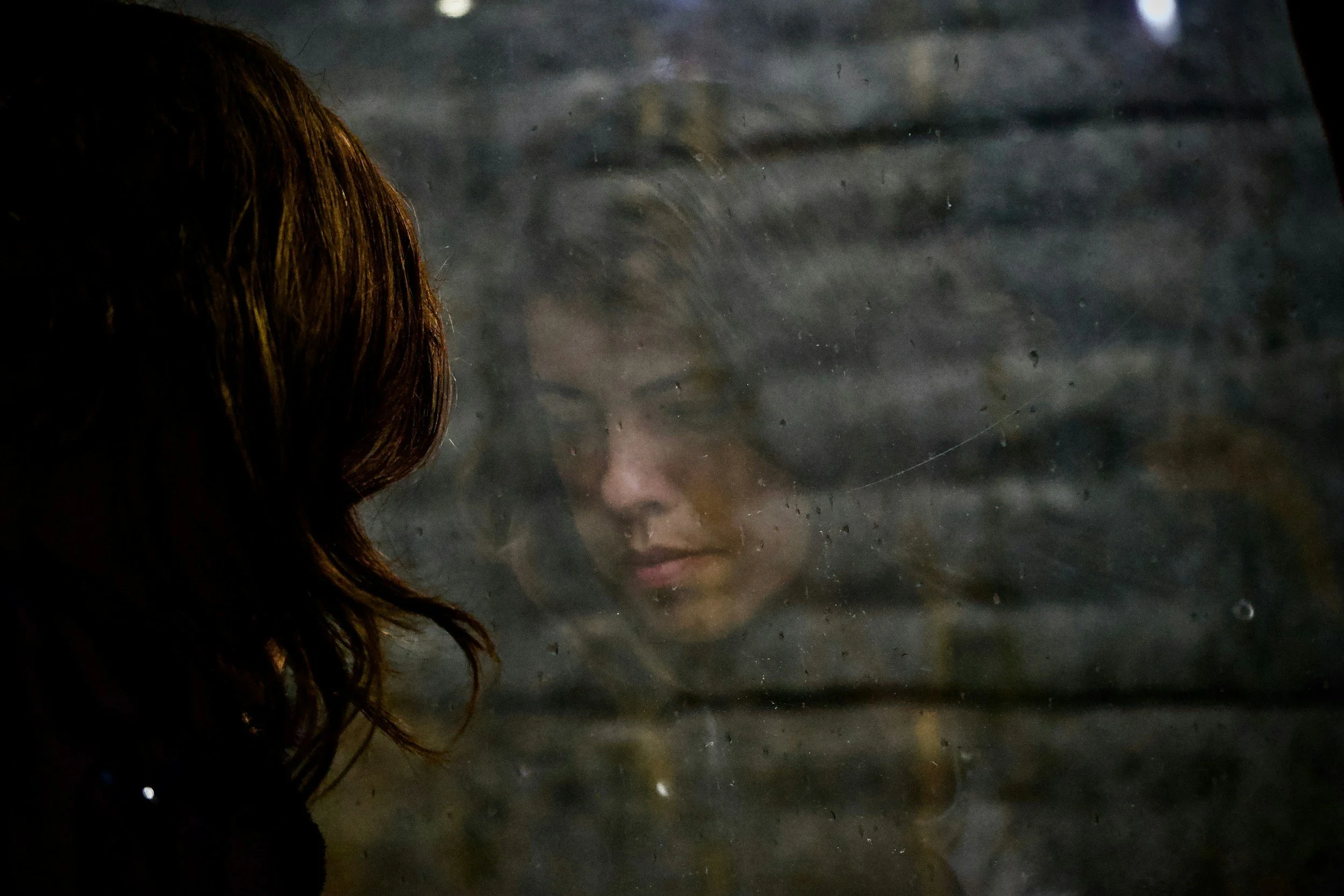
Through all of this, I discovered something powerful: There is no substitute for lived experience. In all those years, I worked with well-meaning professionals who were “informed” about BFRBs — but had never lived it. And while they tried, and the intention was there, the connection was never quite right. No shared frequency of hope.
It felt like working with a personal trainer who’s never been out of shape. Or a nutritionist who’s never battled with food. There’s theory — and then there’s embodied knowing.
That’s the energy I bring to my brand new passion project Heal BFRBs. Not just knowledge. Understanding. Resonance. It’s a compassionate guide that helps you come home to yourself. I don’t claim to “fix” you. I walk beside you while you become your own self-healer. Yes, I provide structure, tools, support, and strategy. But this is an inner journey.
I never set out to “help others.” I set out to help myself. But somewhere along the path, it became clear that everything I’d learned could spare others decades of suffering and trial-and-error. My most important credential? I’m a trich and derm survivor.
Healing Is Possible — It Starts With Looking Inward
If there’s one thing I want people to know, it’s this: healing from BFRBs is possible. I am living proof. If I can stop picking my skin and pulling my hair after 20+ years, so can you.
But first, we need to remove the shame. We need more visibility. We need trained specialists — and a Psychology Today filter so we can actually find them. Listing a condition in the DSM is not enough. We need systems that recognize skin picking and hair pulling not as afterthoughts, but as legitimate mental health challenges that deserve care, funding, and attention.
Until then, I created HealBFRBs.com to be the resource I never had. A sanctuary. A map for those lost in the same storm I once was, seeking more than conventional knowledge — seeking wisdom that transcends cultural and scientific norms. Methods that reach parts of the soul that words can’t.
A lifelong traveler and a travel professional by day, in my typical fashion I bring you wisdom from the farthest corners of the world. And I’d be honored to guide you along the way.
But the journey starts with a brave step inward.
And for those of you looking to help your loved ones affected by BFRBs, take advice from Alanis:
“Come along and invite these parts out of hiding… We’re healed by your empathy.”
With love and gratitude,
Gaby
Gaby Aziz is a Trauma Informed Coach, founder of healbfrbs.com, creator of Heal BFRBs 30 Day Bootcamp, author of The Dragonfly Journal, and a recovering skin picker and hair puller of over 25 years.
Images: Unsplash